 Translate
Parvathamalai Hills
About Parvathamalai Hills
Parvathamalai Hills: The Magnetic Mountain and Southern Kailash of Tamil Nadu
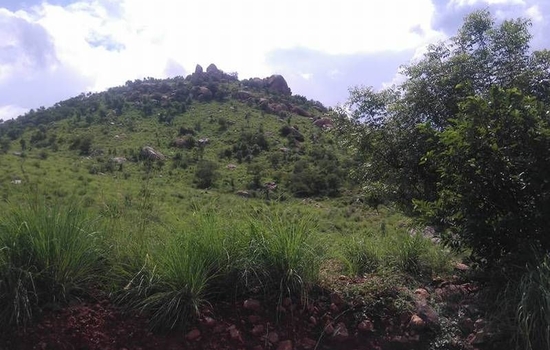
Parvathamalai — often called the "Southern Kailash" or the "Magnetic Mountain" — is a single, freestanding 4,560-foot granite monolith rising abruptly from the dry plains of Tiruvannamalai district in northern Tamil Nadu. Unlike a range of rolling hills, Parvathamalai is one massive black-rock pyramid that you can see from 30 kilometres away. At its summit sits the small but spiritually charged Mallikarjuna Swamy Temple, dedicated to Lord Shiva and his consort Bramarambigai (Parvati), built and maintained by the Siddhar tradition. For pilgrims, this is one of the most powerful Shiva kshetras in South India. For trekkers, it is one of the most demanding day-hikes in Tamil Nadu — combining 2,000 stone steps, exposed cliff ledges with iron-chain handrails, and three near-vertical iron ladders bolted onto the final summit face.
This destination guide is written for the modern tourist — the weekend trekker from Chennai or Bangalore, the spiritual seeker, the photographer, the international visitor exploring Tamil Nadu's lesser-known sacred sites. You will find everything you need: the legends behind the mountain, the special features that make this trek unique, exact timings, fees and permit information, the official authority sites for booking and emergency contacts, a complete FAQ section, and honest, practical safety advice from people who have made the climb in every season.
History and Spiritual Significance
The history of Parvathamalai is the history of the Siddhar tradition, a 2,000-year-old lineage of South Indian enlightened mystics who combined yoga, alchemy, medicine and tantra. Local oral tradition and the writings of Tamil saints place the founding of the Mallikarjuna Swamy Temple here in the time of Mouna Guru (the "Silent Sage"), a Siddhar who established several Shiva shrines across the Tiruvannamalai region. The temple itself is a small, simple stone structure — there are no Dravidian gopurams, no elaborate carvings — because the Siddhars believed that the energy of the place, not the architecture, was what mattered.
Parvathamalai is considered an integral part of the larger Tiruvannamalai spiritual landscape, dominated by the famous Annamalaiyar Temple at the base of Arunachala. Where Arunachala is associated with the element of fire (Agni Lingam), Parvathamalai is associated with the goddess (Parvati) energy and the magnetic, telluric forces believed to emanate from the granite core of the mountain. This is why so many trekkers and devotees report a tangible "current" or vibration on the summit. The mountain is also a key node on the Tamil pilgrimage circuit known as the Mouna Guru Padhai — the path of the silent sage — that connects several Siddhar shrines across northern Tamil Nadu.
Throughout history, Parvathamalai has been a place of tapas — austere meditation. Many Siddhars are said to have attained their final samadhi here, and pilgrims today still report seeing unexplainable lights, hearing chants from empty caves, and experiencing what they describe as the "presence" of these saints in their subtle bodies.
Special Features That Make Parvathamalai Unique
Many hills in Tamil Nadu have temples; few combine the geological drama, spiritual intensity and physical challenge of Parvathamalai. Here is what makes it stand out:
- The Magnetic Phenomenon: The granite core of Parvathamalai is said to have an unusual electromagnetic field. Compass needles behave erratically on certain ledges, and many trekkers report feeling a tingling sensation on the summit. While scientific surveys are limited, the local nickname "Magnetic Mountain" is well established.
- The Mallikarjuna Swamy Temple: Small, unadorned, and made of locally quarried stone, the temple houses a self-manifested (swayambhu) Shiva lingam. Devotees are usually permitted to perform their own abhishekam (ritual bath) at the summit, which is extremely rare in South Indian temples.
- The Chain Sections (Kadal Paarai): Several stretches of the upper trail follow narrow rock ledges with thousand-foot drops on one side. Rusted but sturdy iron chains have been bolted into the cliff so that pilgrims can pull themselves along. This is genuine via-ferrata territory in the middle of Tamil Nadu.
- The Iron Ladders (Tharisu Paathai): The final approach to the summit involves three iron ladders, the largest about 40 feet tall, bolted directly onto a sheer cliff face. Climbing these by torchlight in the pre-dawn hours is an experience no other Tamil Nadu trek offers.
- Free Annadhanam at the Summit: At 4,560 feet, after a five-hour climb, volunteers serve free hot meals (sambar rice, curd rice, sweet pongal) to every visitor. The food, gas cylinders and water are all carried up the same trail by hand. This is one of the most moving acts of seva (service) in South Indian spirituality.
- The Pournami (Full Moon) Trek: The night before every full moon, thousands of pilgrims climb together by moonlight and the light of countless oil lamps. The atmosphere is electric — chanting, drumming, strangers helping strangers up the chains.
Days, Timings and Trek Information
Parvathamalai is technically open to trekkers every day of the year, but specific windows matter:
- Trail open hours: The base village of Kadaladi is accessible 24 hours. The official Tamil Nadu Forest Department gate at the base opens at 5:00 AM and closes at 6:00 PM for day climbers.
- Night trek window: Permitted on Pournami (full moon) night and the night before, when thousands of devotees climb together. On other nights, solo or small-group night treks are discouraged for safety.
- Summit temple darshan: The Mallikarjuna Swamy shrine is open from approximately 5:30 AM to 7:00 PM. Special abhishekam timings on Pradosham and Pournami days.
- Trek duration: 3 to 5 hours up, 3 to 4 hours down, depending on fitness. Total round-trip including darshan and rest: 8 to 10 hours.
- Best months: July through February. Avoid April–June (extreme heat) and heavy rain days in October–November (chains become dangerously slippery).
Tickets, Fees and Booking
Unlike most tourist destinations, Parvathamalai has minimal formal ticketing:
- Trek entry / forest pass: Free for Indian pilgrims. Foreign nationals are technically required to register at the Forest Check-post (₹50 nominal fee) — carry your passport copy.
- Vehicle parking at Kadaladi base: ₹30 for two-wheelers, ₹100 for cars. Open-air, attended parking.
- Temple darshan: Free. Donations to the Annadhanam (free food) trust are gratefully accepted at the summit — ₹100 or more is customary.
- Local guide (optional, recommended for first-timers): ₹500–₹1,000 per group for the full ascent and descent. Hire only registered guides from Kadaladi village.
- Group trek packages from Chennai/Bangalore: ₹1,500–₹3,500 per person including transport, basic food and a guide. Multiple licensed adventure-tour operators run weekend packages.
Authority Sites for Booking and Trip Planning
- Tamil Nadu Tourism — official destination portal
- Tamil Nadu Forest Department — for trek registration and emergency contacts
- IRCTC — train bookings to Katpadi or Polur
- RedBus — overnight buses from Chennai and Bangalore to Tiruvannamalai or Polur
- MakeMyTrip and Booking.com — hotels in Tiruvannamalai (the practical base for the trek)
- Thrillophilia and BookMyTrek — for guided group trek packages with insurance
The Trek: A Stage-by-Stage Description
The climb breaks naturally into four distinct stages, and knowing what to expect at each helps enormously with pacing and morale.
Stage 1 — The Concrete Steps (45 minutes)
The trail starts at Kadaladi village and immediately climbs over 2,000 concrete steps through humid jungle. Small shops along the way sell water, glucose, lemon soda and prasad. This stage is a fitness filter — if your calves are screaming after the steps, the rest of the climb will be punishing.
Stage 2 — The Forest Path (60 minutes)
The steps end and a rocky, root-laced forest trail begins. Easier on the calves, harder on the ankles. Watch for monkeys — keep snacks zipped inside your bag. This is the calmest stretch and a good place to find rhythm.
Stage 3 — The Chain Sections (75 minutes)
The mountain shows its teeth. Narrow rock ledges (sometimes less than 1 foot wide) with thousand-foot drops, secured by bolted iron chains. Not technical rock climbing, but mentally intense. Three-point contact at all times, don't look down, and trust the chain.
Stage 4 — The Iron Ladders to the Summit (30 minutes)
Three near-vertical iron ladders bolted to the final cliff face — the largest about 40 feet. Wait your turn, climb steadily, and don't look anywhere except the next rung. The moment you pull yourself over the top is unforgettable.
How to Reach Parvathamalai
- Base village: Kadaladi, about 25 km from Polur and 45 km from Tiruvannamalai.
- From Chennai: 200 km, 4–5 hours by road via NH-38 (Kanchipuram → Vellore → Polur → Kadaladi). Overnight buses available.
- From Bangalore: 230 km, 5–6 hours via NH-77 (Hosur → Krishnagiri → Tiruvannamalai → Kadaladi).
- By train: Katpadi Junction (90 km) or Tiruvannamalai (45 km) are the nearest stations. Take a taxi or shared jeep from there.
- By bus: Tamil Nadu State Transport (TNSTC) runs frequent buses from Chennai and Bangalore to Tiruvannamalai and Polur; from Polur, shared autos and jeeps run to Kadaladi.
- Nearest airport: Chennai International Airport (MAA), 200 km.
What to Bring — Trekker's Essentials
- Trekking shoes with strong grip (no flip-flops, no new shoes)
- Headlamp with spare batteries (essential for night trek)
- 2–3 litres of water per person, energy bars, dates, nuts
- Light cotton clothes, plus a windproof jacket for the summit
- First-aid kit with crepe bandage, band-aids, pain spray, electrolyte sachets
- Cash (no ATMs at Kadaladi), Aadhaar / passport copy
- Small towel, change of clothes for after the climb
- NEVER carry plastic bottles you'll discard — pack out everything you bring in
Best Time to Visit and Weather
July to February is the trekking sweet spot. Temperatures are 18–28°C, the air is cool, and the granite is dry. Pournami (full moon) nights from October through February are the most atmospheric. Avoid April–June (lower slopes touch 38°C and the black rock radiates heat ferociously) and heavy rain days when the chains become genuinely dangerous.
Nearby Attractions
- Arunachaleswarar Temple, Tiruvannamalai (45 km) — one of the Pancha Bhoota Sthalams.
- Sri Ramana Ashram (45 km) — the abode of the modern sage Ramana Maharshi.
- Sathanur Dam (60 km) — a scenic dam and crocodile park.
- Gingee Fort (90 km) — the "Troy of the East", a remarkable 13th-century hill fortress.
Frequently Asked Questions (FAQs)
How difficult is the Parvathamalai trek?
It is rated difficult. The combination of 2,000 steps, a rocky forest path, narrow chain ledges and vertical iron ladders makes this one of Tamil Nadu's toughest day-treks. First-timers must be in reasonably good fitness and free from acrophobia (fear of heights).
Is the night trek safe?
On Pournami (full moon) nights, yes — thousands of devotees climb together, the chains and ladders are visible by moonlight and lamp light, and volunteers help at every difficult section. On other nights, do not attempt the climb alone or without a guide.
Can children and senior citizens do this trek?
Generally no. The chain ledges and iron ladders are unsuitable for children under 12 or anyone with knee, heart or balance issues. Take them as far as the steps and forest path viewpoint, but turn back before the chain section.
Are women allowed at the summit temple?
Yes. There are no gender restrictions at the Mallikarjuna Swamy Temple. Women of all ages climb regularly, and the Pournami crowd includes large numbers of women devotees.
What food and water is available on the trail?
Small shops on the lower steps sell water, biscuits, glucose and lemon soda. The summit has free Annadhanam (hot meals) served by volunteers. Carry at least 2 litres of water per person.
Is there mobile network on the mountain?
Patchy. BSNL works best. Inform someone at the base when you start and when you summit. Save the local emergency forest department number before climbing.
What if I get injured or stranded?
The Forest Check-post at Kadaladi has emergency contacts. On Pournami nights, volunteers and St. John's Ambulance teams are stationed along the trail. Carry the Tiruvannamalai Government Hospital number: +91-4175-237-300.
Can I camp at the summit?
Casual camping is not permitted by the Forest Department. Pilgrims do rest for a few hours after the climb at the summit shelter, but overnight camping requires special permission.
What is the dress code for the temple?
Modest dress. Men typically wear dhoti or shorts and a shirt; women wear sarees, salwar or loose trekking pants. No leather belts or accessories inside the sanctum.
Are drones, cameras and phones allowed?
Mobile phones and cameras are allowed on the trail; photography inside the sanctum is not. Drones require advance written permission from the District Forest Office.
How much money should I carry?
₹1,500–₹2,000 in cash per person is comfortable — parking, food on the trail, donation at the temple, a guide tip, and emergency reserve. No ATMs near the base.
What is the best month for first-time trekkers?
November to January — cool weather, dry rocks, manageable crowds on non-Pournami days, and stunning visibility from the summit.
Photo Gallery
What you'll experience
- 1
Spiritual trekking
- 2
Sunrise view
- 3
Hilltop Shiva temple
- 4
Meditation
- 5
Forest path hike
Nearby Destinations
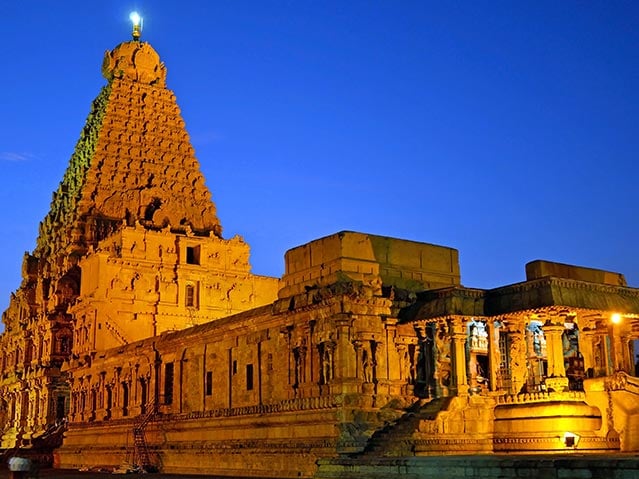
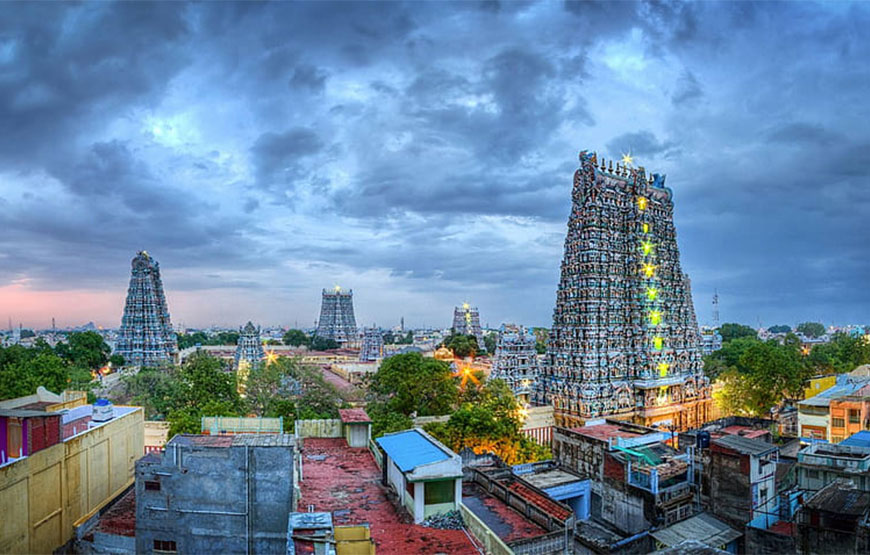
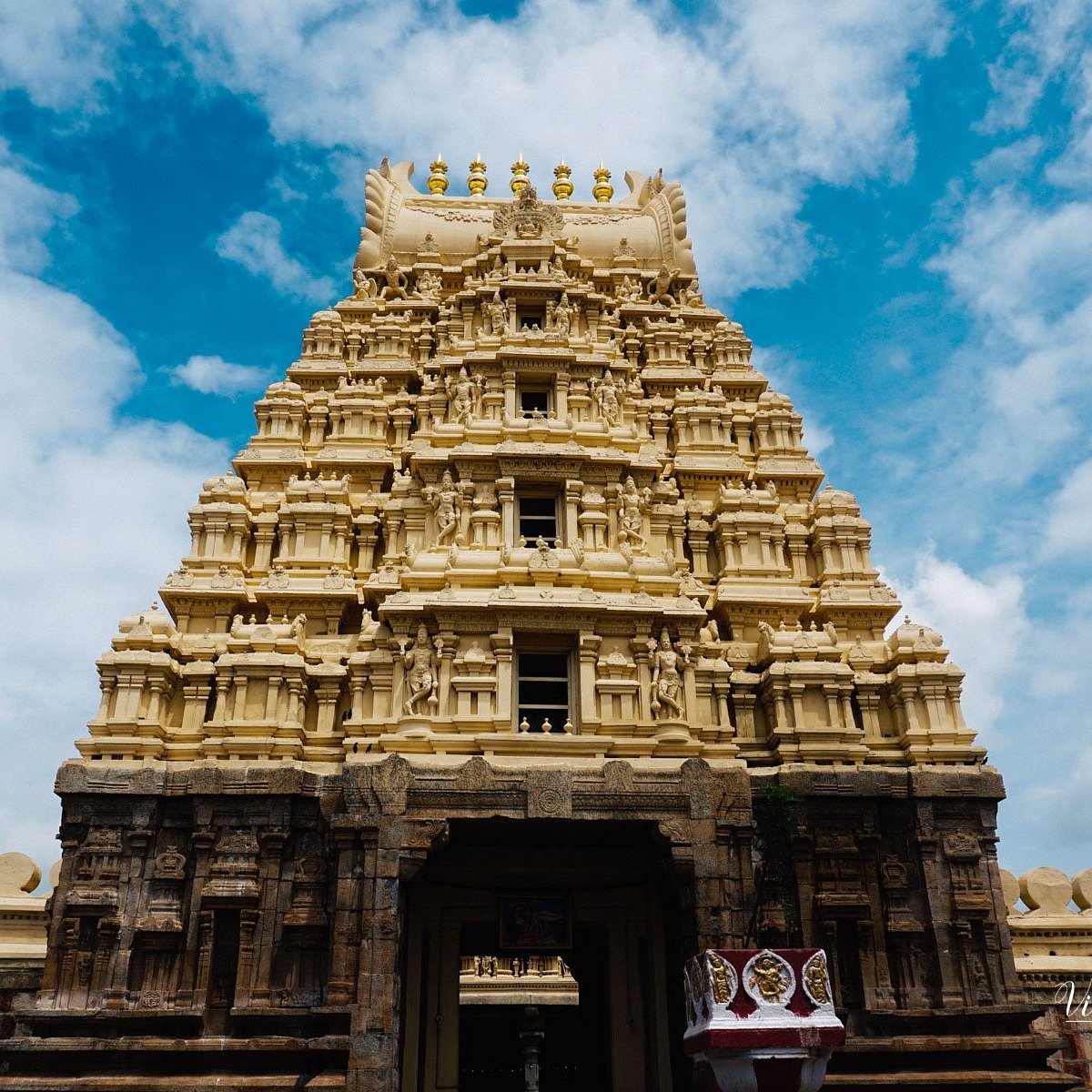
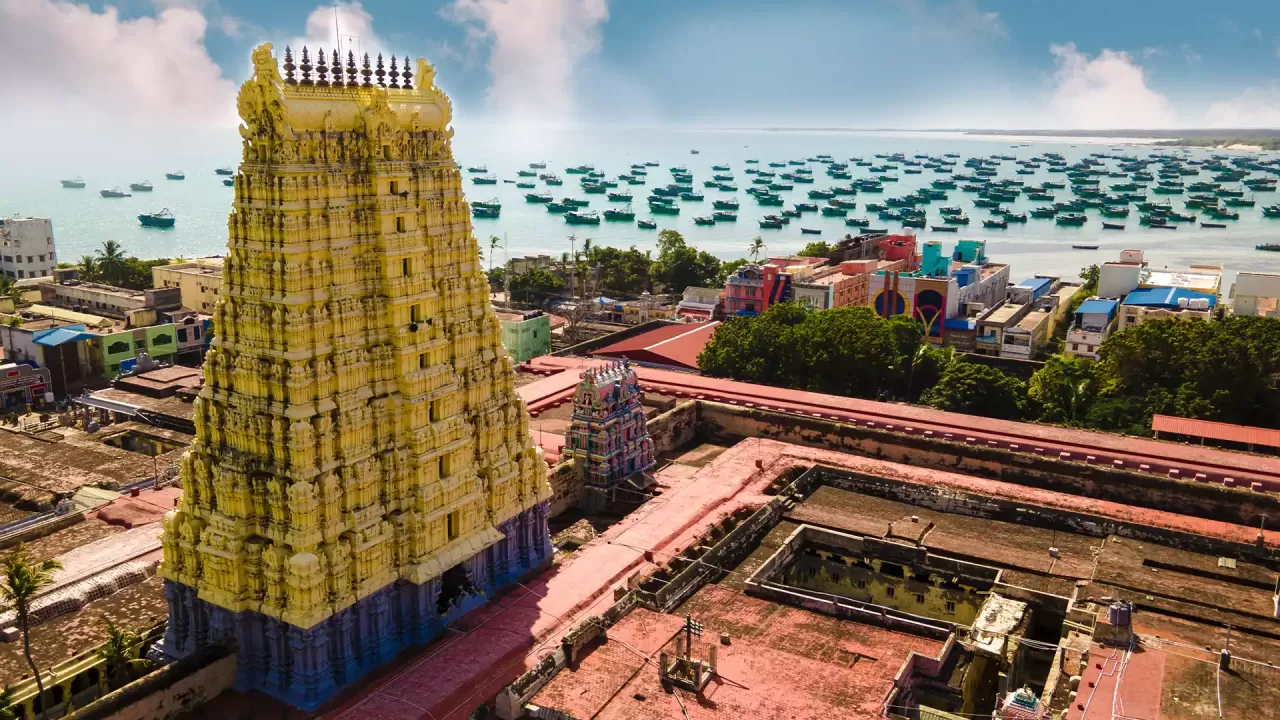
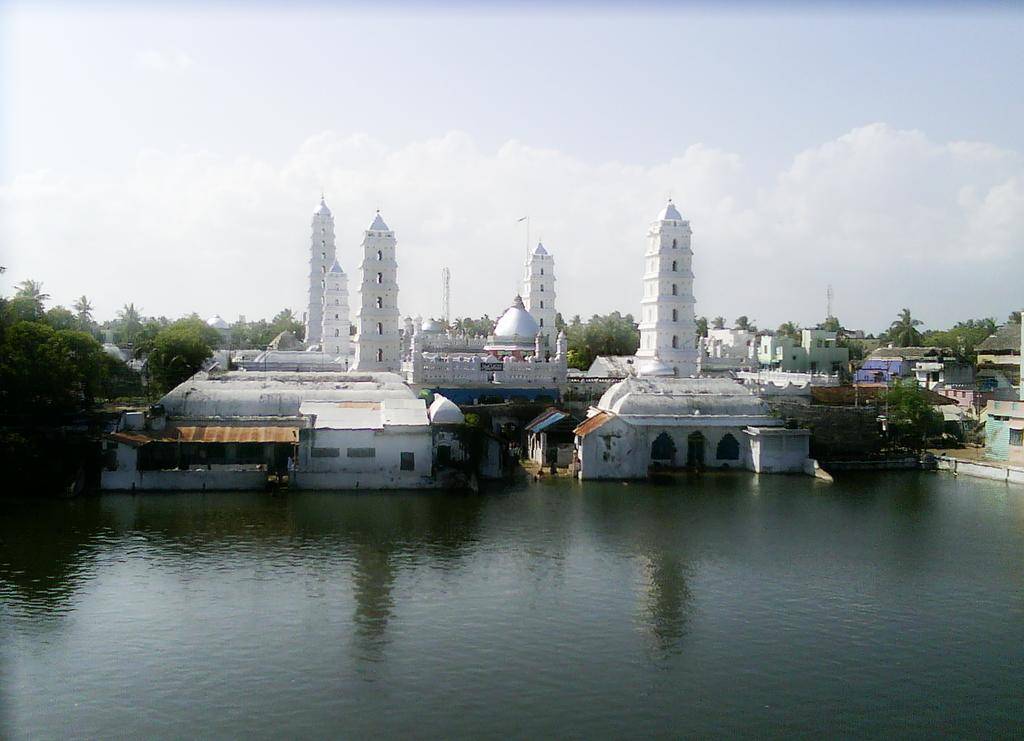
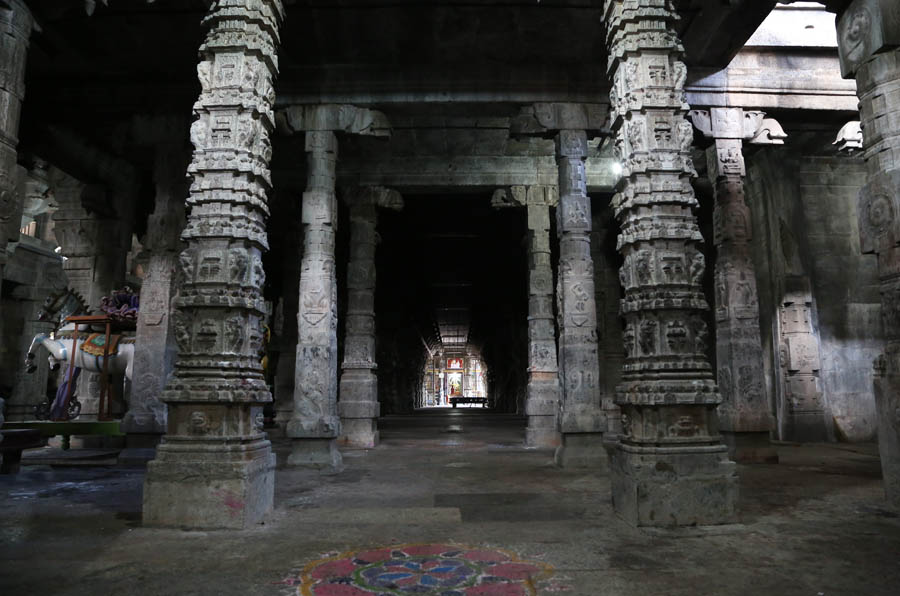
These destinations are in close proximity to Parvathamalai Hills and can be visited on the same trip.
Visit Information
Opening Hours
Entry Fee
Best Time to Visit
November to February
Location
Tiruvannamalai District, Tamil Nadu
Contact
For inquiries: NA
Share this destination:
